How to Explain Domain Authority to a Non-SEO
Do you ever need to discuss the value of Domain Authority to clients or co-workers who have little or no SEO experience? If so, today's White boards Friday host-- Andy Crestodina-- walks through how to get your message throughout successfully.
SEO is in fact really tough to explain. There are so many ideas. It's likewise actually essential to describe so that we can reveal worth to our customers and to our employers.
We're a web design business here in Chicago. I have actually been doing SEO for 20 years and describing it for about as long. This video is my finest effort to assist you explain a really crucial idea in SEO, which is Domain Authority, to someone who doesn't understand anything about SEO, to someone who is non-technical, to somebody who is perhaps not even an online marketer.
Here is one framework, one set of language and words that you can use to attempt to discuss Domain Authority to people who maybe require to comprehend it but do not have a background in this stuff whatsoever.
Browse ranking factors
They type something into a search engine. They see search outcomes.
Why do they see these search results rather of something else? The reason is: search ranking factors determined that these were going to be the top search engine result for that query or that keyword or that search expression.
Importance
There are two primary search ranking factors, in the end two reasons why any websites ranks or doesn't rank for any expression. Those two main factors are, firstly, the page itself, the words, the content, the keywords, the importance.

That's one of the essential search ranking factors is relevance, content and keywords and stuff on pages. There's a second, extremely important search ranking factor. It's something that Google innovated and is now a truly, really crucial thing throughout the web and all search.
Links
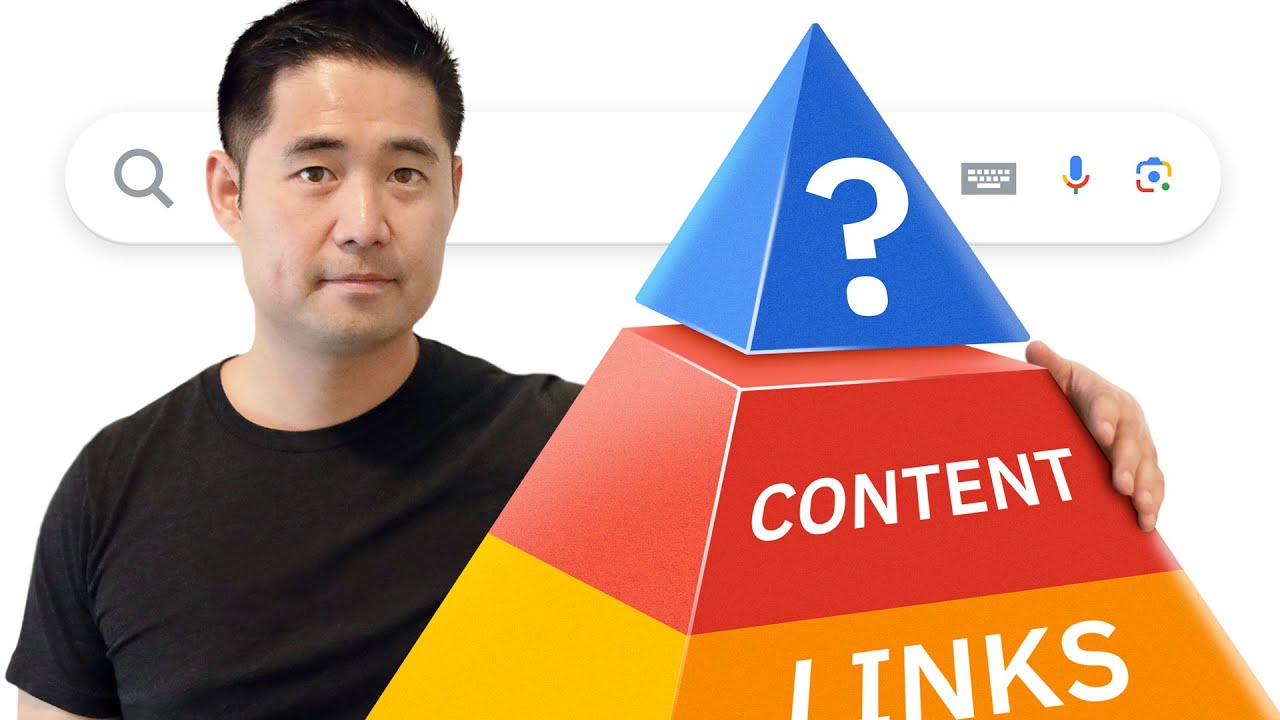

That's saying that this web page is most likely trustworthy, most likely crucial. If a lot of pages link to your page, that includes trustworthiness. That's crucial that there's a number of sites that connect to you.
Link quality
Links from reliable sites are more important than just any other link. It's the quantity and the quality of links to your website or links to your page that has a lot to do with whether or not you rank when individuals search for an associated essential expression.
If a page doesn't rank, it's got one of 2 issues generally. It's either not a terrific page on the topic, or it's not a page on a website that is trusted by the online search engine due to the fact that it hasn't developed enough authority from other sites, related websites, media websites, other sites in the market. The name for this stuff initially in Google was called PageRank
PageRank.
Capital P, capital R, one word, PageRank. Not websites, not search results page, but named after Larry Page, the man who sort of created this, among the co-founders at Google. PageRank was the number, 1 through 10, that we all utilized to sort of know. It showed up in this toolbar that we utilized back in the day.
They stopped reporting on that. They do not upgrade that any longer. We do not truly know our PageRank any longer, so you can't truly inform. The way that we now comprehend whether a page is trustworthy amongst other sites is by using tools that imitate PageRank by similarly crawling the web, looking to see who's linking to who and then creating their own metrics, which are essentially proxy metrics for PageRank.
Domain Authority
It's called Domain Authority. Other search tools, other SEO tools also have their own, such as SEMrush has one called Authority Rating. They are showing whether or not a website or a page is trusted among other websites since of links to them.
Now we understand for a reality that some links deserve much, a lot more than others. We can do this by checking out Google patents or by experiments or just best practices and expertise and direct knowledge that some links deserve far more.
Hyperlinks from websites with lots of authority are worth exponentially more. Some websites have lots and lots and loads of authority. Most websites have very, extremely little bit.
It's on a rapid curve the amount of authority that a website has and its ranking potential. The worth of a link from another website to you is on a rapid curve. Links from some websites deserve tremendously more than links from other smaller sized sites, smaller blogs. These are quantifiable within these tools, tools like Moz, tools that replicate the PageRank metric.
And what they can do is take a look at all of the pages that rank for a phrase, look at all of the authority of all of those sites and all of those pages, and after that average them to reveal the most Best SEO on the Gold Coast likely trouble of ranking for that crucial expression. The problem would be more or less the average authority of the other pages that rank compared to the authority of your page and after that determine whether that's a page that you actually have a chance of ranking for or not.
This might be called something like keyword difficulty. I looked for "baseball coaching" utilizing a tool. I used Moz, and I discovered that the problem for that crucial expression was something like 46 out of 100. Simply put, your page needs to have about that much authority to have a possibility of ranking for that phrase. There's a subtle difference between Page Authority and Domain Authority, but we're going to set that aside for now.
That helps us comprehend the level of authority that we would have to have to have an opportunity of ranking for that key expression. If we lack enough authority, it doesn't matter how awesome our page is, we're not likely to ever rank
.
It's actually essential to understand one of the things that Domain Authority informs us is our ranking potential. That's the very first thing that the Domain Authority specifies, steps, shows.So if a super authoritative website links to us, high Domain Authority website, that Domain Authority in that case of that website is showing us the worth of that link to us. A link from a site, a new blog site, a young site, a smaller brand would have a lower Domain Authority, indicating that that link would have far less worth.
Conclusion.
Bottom line, Domain Authority is a proxy for a metric inside Google, which we no longer have access to. It's produced by an SEO tool, in this case Moz. When spelled with a capital D, capital A, it's Moz's own metric. It shows us two things. Domain Authority is the ranking capacity of pages on that domain. And secondly, Domain Authority measures the worth of another website ought to that site link back to your website. That's it.